
The Garden Within
- The Autistic Lens

- Oct 17, 2025
- 4 min read
Updated: Oct 20, 2025
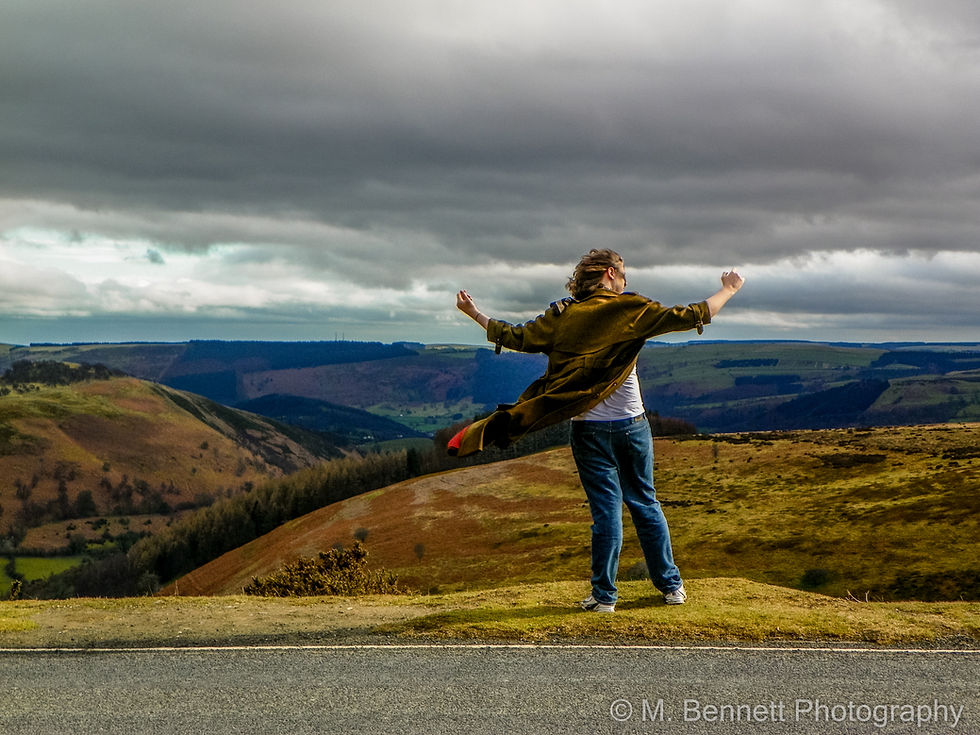
Healing doesn’t mean the wound disappears.
It means it becomes part of the landscape — tended, known, integrated.
Some days the garden smells like soil and forgiveness.
Other days it smells like rain on scar tissue.
But still, something grows.
That’s the truest miracle: not forgetting the pain, but making beauty out of what tried to end you.
We plant gardens in strange places — in the ashes of what we lost, in the hollowed-out spaces grief left behind. The ground feels cursed at first, unlivable, still hot from the fires that came before. The soil is stubborn, heavy, unmoved by our hands. You dig, and your palms come up black. You water, and it pools uselessly. You plant, and the seeds disappear into memory. You wonder if it’s even worth trying again.
But one morning, something small pushes through the dirt. Fragile. Defiant. Alive. And in that moment, something inside you shifts — the understanding that healing is not restoration. It’s cultivation. You cannot return to what was. But you can make something new, in the very soil that once refused to hold life.
This is where the next chapter begins — after Those We Called Monsters, after We Almost Become Them. After the mirror cracked and the reflection hurt too much to look at. When you finally set the sword down and realize the battle you’ve been fighting isn’t out there anymore. It’s inside. The same soil that held rage can hold mercy. The same ground scorched by judgment can sustain growth. The same heart that hated can still learn to care again.
Healing is not a victory march. It’s a slow return to tenderness — a deliberate act of defiance against everything that taught you to harden. It’s the refusal to abandon the wounded parts of yourself, even when they’re ugly, inconvenient, or slow to trust you again. You learn to sit with your anger without letting it drive, to face your shame without letting it define you, to forgive yourself for all the versions of you that didn’t know better.
The wound never goes away. It just learns to hold life again.
You still feel the ache when it rains. You still flinch at the scent of what burned you. But alongside that ache, there’s something new: color, motion, growth. A gentleness that wasn’t there before — not because you forgot what hurt, but because you stopped letting it own you.
That’s the quiet truth no one tells you about healing: it isn’t erasure. It’s coexistence.
You don’t cut out the darkness; you learn how to garden around it. Every act of care becomes a conversation with the wound: I know you’re still here. I’m building anyway.
And that’s the work.
To build anyway.
To love anyway.
To grow anyway.
The wound becomes soil for understanding. The ache becomes empathy’s root system. Memory becomes moral fertilizer — the kind that feeds your compassion because it remembers what it’s like to bleed. Every person who tends their pain honestly contributes to the quiet architecture of mercy in this world. Every scar that learns to hold life again becomes a map for someone else’s healing.
But tending this kind of garden hurts. It means revisiting the site of what you’d rather forget. It means pulling up weeds of resentment that grow back twice as fast. It means admitting that some things can’t be fixed — they can only be cared for. That’s where strength lives: not in the fantasy of wholeness, but in the truth of coexistence.
The ground that once betrayed you can still become sacred.
Because sacredness isn’t about purity — it’s about endurance.
It’s about learning how to stay.
Some days, the garden thrives. Other days, it looks like failure.
Some mornings you’ll wake with gratitude; others with grief.
Healing isn’t linear. It’s seasonal. And the seasons don’t ask your permission.
There will be winters where nothing grows, where you forget the shape of color, where the soil feels dead again. But beneath the frost, the roots still hold on. They are not waiting for perfection — only for patience.
And when spring returns, as it always does, you’ll see what survived the cold. Not everything will — and that’s okay. What does endure will be stronger for the frost that tested it.
To carry a wound and still plant flowers beside it — that’s grace.
To water the soil that once burned you — that’s courage.
To keep tending it when no one’s watching — that’s love.
Because the measure of healing isn’t how well you’ve forgotten. It’s how deeply you can remember without turning bitter. It’s how gently you can hold your own brokenness without trying to destroy it.
Somewhere along the way, the wound stops being a punishment and becomes a teacher. It shows you where empathy lives. It reminds you that pain is not the opposite of life — it’s the evidence of having lived at all.
You start to see that what hurt you didn’t take your goodness; it revealed where it was.
That the most radical act of forgiveness is self-forgiveness.
That the most ethical form of care begins with yourself.
You rest when you need to. You use the tools that help you thrive. You allow yourself to be human — disabled, imperfect, limited — and refuse to apologize for surviving.
That’s not selfishness. It’s stewardship.
You can’t build a compassionate world while hating yourself for needing compassion.
You can’t create mercy while denying yourself mercy.
All care begins from within, or it becomes another performance of control.
So you tend to the garden.
You water it with gentleness.
You speak kindly to the soil, even when it’s stubborn.
You stop punishing it for what it’s been through.
You stop punishing yourself for what you became while surviving.
And one day, you look around and realize that the world looks softer — not because it changed, but because you did. The soil remembers both the fire and the rain. And somehow, that’s enough.
We can carry the wound without letting it define the soil.
We can let the scar become our map, not our prison.
And in that balance — between grief and growth, between scar and seed — something sacred takes root.
🕊
Continue the journey:
(From “The Practice of Being Human” — each piece builds on the last, one act of care at a time.)


